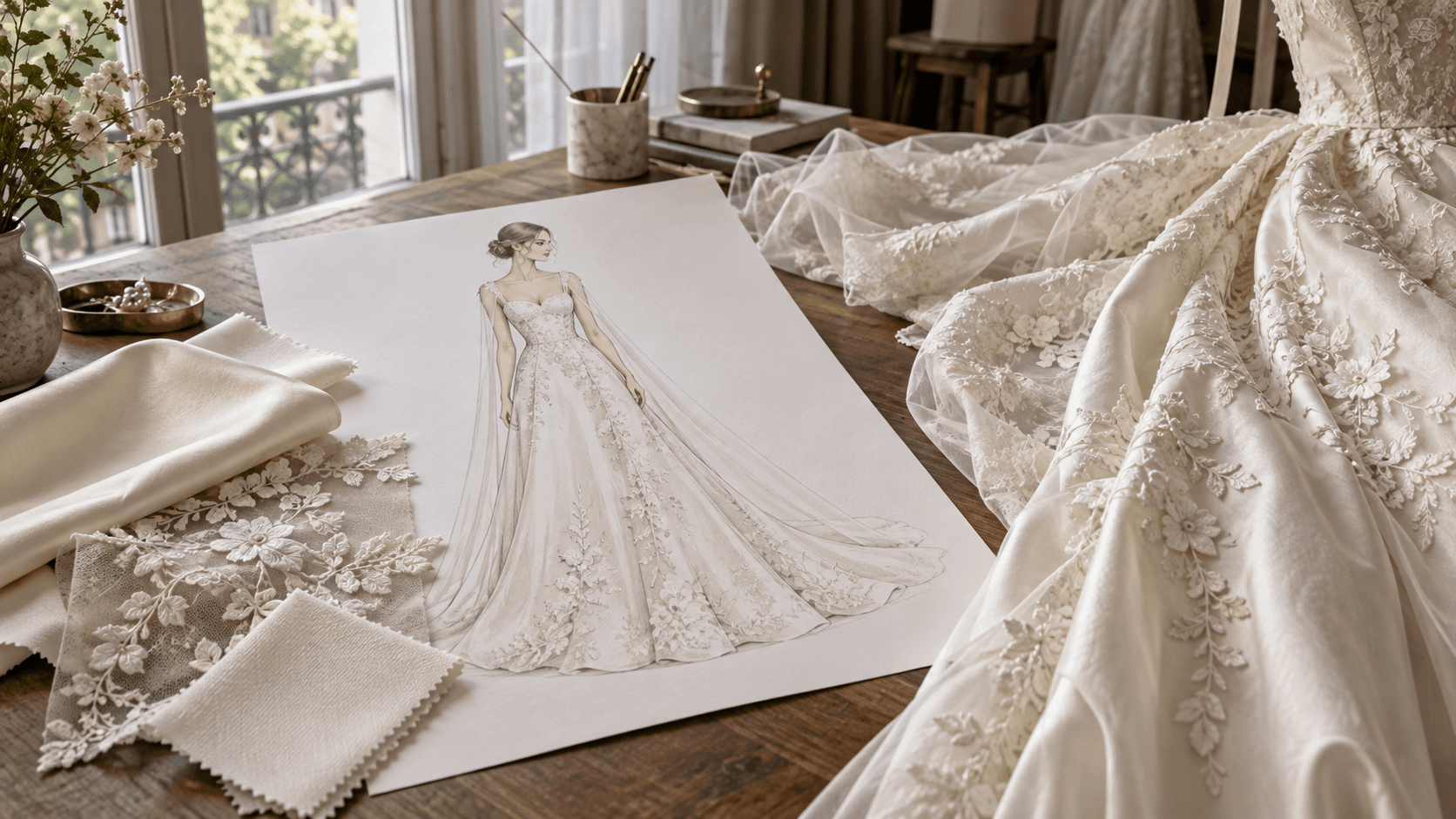
Wedding Reception Centerpieces: Editorial Tablescape Design
Discover expert tips for creating stunning wedding reception centerpieces and editorial tablescapes. Learn how to design floral arrangements, coordinate with your wedding dress, and create memorable reception styling.

Wedding Reception Centerpieces: Editorial Tablescape Design
Planning your wedding reception and wondering how to create centerpieces that feel both elegant and editorial? Well-designed reception centerpieces and tablescapes transform your celebration space, creating atmosphere, guiding guest experience, and coordinating with your overall wedding aesthetic. From tall floral arrangements to low, organic centerpieces, the right design elevates your reception from functional to unforgettable.
According to Martha Stewart Weddings, editorial tablescape design has become increasingly important, with couples investing in reception styling that creates memorable, photographable moments. This attention to detail extends beyond centerpieces to complete tablescape design—coordinating linens, tableware, lighting, and florals into cohesive, beautiful arrangements.
This comprehensive guide covers everything you need to know about designing wedding reception centerpieces and editorial tablescapes, from choosing the right floral arrangements and coordinating with your wedding dress to creating depth, visual interest, and memorable guest experiences. If you're exploring wedding dress designs for editorial reception styling, you'll find inspiration for creating a cohesive celebration aesthetic.
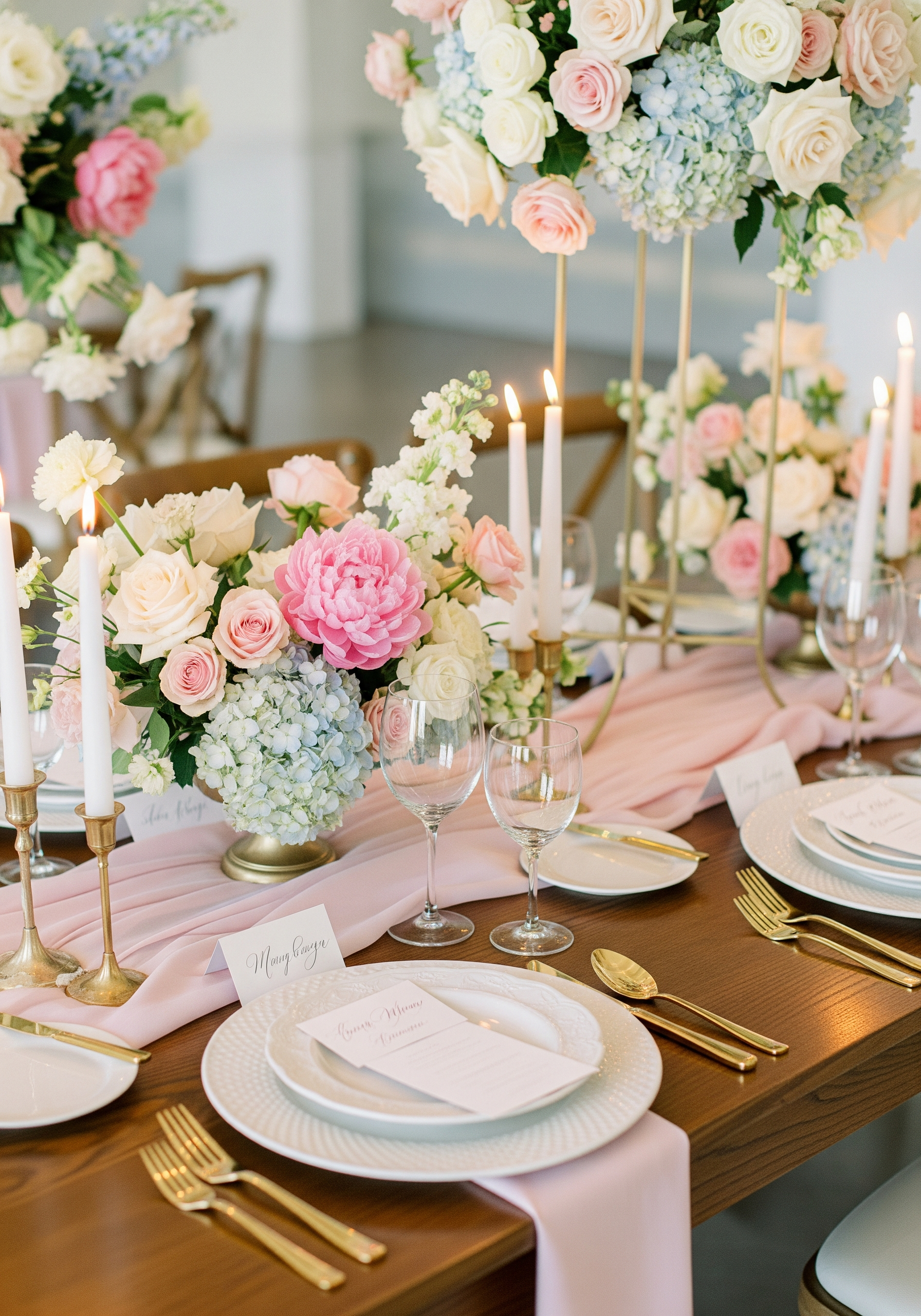
Quick Takeaways: Reception Centerpiece Trends for 2025
Before diving into the details, here's what's trending in wedding reception centerpieces:
Key Trends:
- Editorial, styled tablescapes with multiple elements
- Mixed height arrangements for visual depth
- Organic, loose floral designs over structured
- Coordinated color palettes throughout tablescape
- Sustainable and locally-sourced flowers
Best Centerpiece Styles:
- Tall arrangements with taper candles
- Low, organic centerpieces
- Mixed height groupings
- Linear arrangements for long tables
- Statement pieces with supporting elements
What's In vs. What's Out:
- ✅ In: Editorial styling, organic arrangements, mixed heights, coordinated tablescapes
- ❌ Out: Single-height arrangements, overly formal designs, mismatched elements, generic centerpieces
Best Wedding Styles:
- Modern romantic, garden party, bohemian, editorial chic, classic elegance
Understanding Editorial Tablescape Design
Editorial tablescape design goes beyond simple centerpieces to create complete, styled table experiences. This approach considers every element—florals, linens, tableware, lighting, and details—working together harmoniously.
The Complete Tablescape
An editorial tablescape includes:
Centerpieces:
- Primary floral arrangements
- Height and scale considerations
- Color and texture coordination
- Visual impact and guest interaction
Supporting Elements:
- Taper candles and candlelight
- Table linens and runners
- Charger plates and tableware
- Glassware and place settings
- Place cards and details
Lighting:
- Ambient table lighting
- Candle arrangements
- Overhead lighting coordination
- Creating atmosphere
- Photography considerations
Expert Tip: "Editorial tablescapes tell a story. Every element should work together to create a cohesive, beautiful experience. Think about how guests will interact with the table and how it will photograph." — Wedding Stylist
Creating Visual Hierarchy
Guide the eye through your tablescape:
- Focal point: Centerpiece as main attraction
- Supporting elements: Candles, details that enhance
- Functional beauty: Tableware that's both beautiful and useful
- Cohesive styling: All elements working together
Centerpiece Design Options
Your centerpiece choice significantly impacts your reception atmosphere and guest experience.
Tall Floral Arrangements
Tall centerpieces create drama and presence:
Best For:
- Large reception spaces
- High ceilings
- Formal celebrations
- Creating intimate spaces within larger rooms
- Statement-making designs
Design Considerations:
- Ensure guests can see across tables
- Balance height with table size
- Coordinate with room proportions
- Consider guest interaction
- Plan for photography angles
Expert Tip: "Tall centerpieces should be proportional to your table size and room height. Generally, centerpieces shouldn't exceed 24-30 inches for round tables to maintain guest conversation." — Reception Designer
Popular Styles:
- Cascading arrangements: Dramatic, elegant
- Architectural designs: Modern, structured
- Garden-style tall: Organic, romantic
- Minimalist tall: Clean, contemporary
Low, Organic Centerpieces
Low centerpieces encourage conversation and create intimate atmospheres:
Best For:
- Intimate receptions
- Encouraging guest interaction
- Garden and outdoor settings
- Modern, minimal aesthetics
- Long farm tables
Design Considerations:
- Height that allows eye contact
- Spread and width for impact
- Organic, loose arrangements
- Multiple elements for interest
- Coordination with table size
Stylist Note: "Low centerpieces work beautifully for intimate receptions because they don't obstruct views or conversation. They create a soft, romantic atmosphere perfect for smaller celebrations."
Popular Styles:
- Garden arrangements: Loose, organic, natural
- Minimalist low: Clean, simple, elegant
- Rustic low: Natural materials, textured
- Romantic low: Soft, flowing, delicate
Mixed Height Arrangements
Combining different heights creates visual interest and depth:
Best For:
- Creating dynamic tablescapes
- Adding visual interest
- Coordinating multiple elements
- Editorial, styled looks
- Photographable designs
Design Considerations:
- Balance between elements
- Coordination of heights
- Visual flow across table
- Guest experience
- Photography opportunities
Expert Tip: "Mixed height arrangements create editorial tablescapes that photograph beautifully. Use the rule of three—group elements in threes at different heights for visual balance." — Wedding Stylist
Floral Selection for Reception Centerpieces
Your floral choices impact both aesthetics and budget.
Best Flowers for Centerpieces
Statement Flowers:
- Peonies: Large, romantic, seasonal
- Garden roses: Classic, elegant, versatile
- Hydrangeas: Full, budget-friendly, available
- Ranunculus: Delicate, colorful, romantic
Supporting Flowers:
- Eucalyptus: Texture, fragrance, filler
- Baby's breath: Airy, delicate, budget-friendly
- Ivy: Trailing, organic, movement
- Ferns: Texture, greenery, natural
Seasonal Considerations:
- Choose flowers in season for best quality and price
- Work with your florist on seasonal alternatives
- Consider local, sustainable options
- Plan for availability and pricing
Stylist Note: "Seasonal flowers are fresher, more affordable, and often more sustainable. Your florist can help you choose the best seasonal options for your design vision."
Color Coordination
Your centerpiece colors should coordinate with:
- Wedding color palette: Overall theme colors
- Table linens: Complementary or matching
- Wedding dress: Subtle coordination
- Venue: Works with space colors
- Photography: Colors that photograph well
Expert Tip: "When creating custom wedding dresses that coordinate with editorial tablescapes, consider your reception color palette. Subtle dress accents can echo centerpiece colors, creating cohesive design throughout your celebration." — Wedding Designer
Coordinating Centerpieces with Your Wedding Dress
Your reception styling should complement your wedding dress, creating a cohesive celebration aesthetic.
Color Harmony
If your wedding dress has color accents—perhaps a blush underlay, colored sash, or embroidery—echo these colors in your centerpieces. This creates visual consistency from ceremony to reception.
Stylist Note: "Brides often choose centerpiece colors that complement their dress. If you're wearing an ivory dress with blush accents, consider blush centerpieces. This creates a cohesive look throughout your celebration."
Style Consistency
Your centerpiece style should match your dress style:
- Romantic dress → Soft, organic centerpieces with delicate flowers
- Modern dress → Clean, architectural centerpieces with bold lines
- Bohemian dress → Organic, textured centerpieces with wildflowers
- Classic dress → Traditional, elegant centerpieces with formal flowers
Photography Coordination
Plan centerpieces that photograph well with your dress:
- Colors that complement dress in photos
- Heights that frame you beautifully
- Styles that enhance overall aesthetic
- Details that coordinate in images
Tablescape Elements Beyond Centerpieces
Editorial tablescapes include multiple coordinated elements.
Table Linens
Linen Options:
- Textured linens: Linen, cotton for depth
- Chiffon overlays: Soft, romantic layers
- Silk runners: Elegant, luxurious accents
- Color coordination: Matching or complementing centerpieces
Expert Tip: "Textured linens add depth to tablescapes. Consider mixing textures—a linen tablecloth with a chiffon overlay creates visual interest and sophistication."
Candlelight and Lighting
Candle Arrangements:
- Taper candles: Elegant, traditional, height variation
- Pillar candles: Stable, various sizes, texture
- Tea lights: Ambient, scattered, romantic
- Lanterns: Decorative, functional, style-specific
Lighting Considerations:
- Create atmosphere and warmth
- Coordinate with overhead lighting
- Ensure adequate illumination
- Plan for photography
- Guest comfort and visibility
Stylist Note: "Candlelight creates magical reception atmospheres. Layer different candle types and heights for depth and interest. Always ensure adequate lighting for guest comfort and safety."
Tableware and Details
Charger Plates:
- Add color and texture
- Frame place settings beautifully
- Coordinate with centerpiece colors
- Create visual interest
- Support overall design
Glassware:
- Coordinate styles and colors
- Consider vintage or modern options
- Mix for visual interest (if appropriate)
- Ensure functionality
- Support tablescape aesthetic
Place Cards:
- Personal touches and details
- Coordinate with tablescape design
- Functional and beautiful
- Opportunities for personalization
- Style-appropriate choices
Budget-Friendly Centerpiece Ideas
Beautiful centerpieces don't require unlimited budgets.
Cost-Saving Strategies
Flower Selection:
- Choose seasonal, local flowers
- Use budget-friendly fillers (baby's breath, eucalyptus)
- Mix expensive and affordable flowers
- Consider greenery-heavy arrangements
- Work with florist on cost-effective options
Design Choices:
- Focus budget on statement tables (sweetheart, head table)
- Simplify guest table centerpieces
- Use candles and greenery to supplement
- Consider potted plants or succulents
- DIY elements where appropriate
Expert Tip: "Allocate your floral budget strategically. Invest in statement centerpieces for key tables (sweetheart, head table) and simplify guest table arrangements. This creates impact while managing costs."
Alternative Centerpiece Ideas
- Potted plants: Sustainable, lasting, cost-effective
- Candles with greenery: Simple, elegant, affordable
- Fruit arrangements: Colorful, unique, seasonal
- Books and objects: Personal, styled, budget-friendly
- Minimalist designs: Less is more, cost-effective
Expert Styling Tips
Creating Depth and Interest
Layer Elements:
- Combine centerpieces with candles
- Add texture through linens and details
- Vary heights for visual interest
- Include multiple elements
- Create focal points
Stylist Note: "Depth in tablescape design comes from layering. Combine centerpieces, candles, linens, and details at different heights and positions to create visual interest."
Guest Experience
Practical Considerations:
- Ensure centerpieces don't obstruct views
- Maintain conversation-friendly heights
- Consider guest comfort and interaction
- Plan for meal service
- Balance aesthetics with functionality
Expert Tip: "Test your centerpiece height by sitting at the table. Ensure guests can see each other and interact comfortably. Beautiful design should enhance, not hinder, guest experience."
Photography Considerations
Photographable Design:
- Colors that photograph well
- Heights that frame beautifully
- Details that show in images
- Lighting that enhances photos
- Styling that tells a story
Frequently Asked Questions
How tall should wedding reception centerpieces be?
For round tables, centerpieces typically range from 12-24 inches tall, depending on table size and room height. Tall centerpieces work for large spaces, while low centerpieces encourage conversation. Always ensure guests can see across tables.
How much should I budget for reception centerpieces?
Centerpiece budgets vary widely, but plan $50-$200 per table depending on size, flower choices, and complexity. Editorial tablescapes with multiple elements may cost more. Work with your florist to create designs within your budget.
How do I coordinate centerpieces with my wedding dress?
Share your dress design and color palette with your florist. When creating custom wedding dresses that coordinate with editorial tablescapes, consider your reception color scheme. Subtle dress accents can echo centerpiece colors for cohesive design.
What's the difference between editorial and traditional tablescapes?
Editorial tablescapes consider every element—centerpieces, linens, tableware, lighting, details—working together to tell a story. Traditional tablescapes often focus primarily on centerpieces. Editorial design creates complete, styled experiences.
How many centerpieces do I need?
Plan one centerpiece per table. For long farm tables, consider linear arrangements or multiple smaller centerpieces spaced along the table. Work with your venue and planner to determine table count and centerpiece needs.
What flowers work best for reception centerpieces?
Choose flowers that hold up well throughout the reception, coordinate with your color palette, and fit your budget. Seasonal, local flowers often offer the best quality and value. Work with your florist to select appropriate options.
Well-designed wedding reception centerpieces and editorial tablescapes transform your celebration space, creating atmosphere, guiding guest experience, and coordinating with your overall wedding aesthetic. By choosing the right floral arrangements, coordinating with your wedding dress, and creating thoughtful, styled tablescapes, you can create a reception that's both beautiful and memorable.
As you plan your complete wedding aesthetic, remember that every element—from your custom wedding dress that coordinates with editorial tablescapes to your reception centerpieces—should work together harmoniously for a cohesive, polished look that reflects your personal style throughout your celebration.