Cultural Wedding Details: Honoring Heritage in Modern Celebrations
Discover how to incorporate meaningful cultural wedding details like henna, hanbok, and gele into modern celebrations while designing a wedding dress that honors your heritage.

Cultural Wedding Details: Honoring Heritage in Modern Celebrations
Planning a wedding that honors your cultural heritage while reflecting your modern style? Incorporating meaningful cultural details—from intricate henna designs to traditional hanbok elements and elegant gele headwraps—creates a celebration that's both deeply personal and beautifully authentic. These details connect you to your roots while allowing you to express your contemporary identity.
According to Vogue's coverage of multicultural weddings, couples are increasingly blending traditional elements with modern design, creating celebrations that honor heritage while reflecting personal style. This approach allows brides to wear meaningful cultural details while designing custom wedding dresses that incorporate cultural elements in contemporary ways.
This comprehensive guide explores how to incorporate cultural wedding details into your celebration, from henna ceremonies and traditional dress elements to modern interpretations that honor your heritage. If you're exploring custom wedding dress designs that honor cultural heritage, you'll find inspiration for blending traditional and modern elements. You'll learn how to work with cultural elements, coordinate them with your wedding dress design, and create a celebration that feels authentically you.
Quick Takeaways: Cultural Wedding Trends for 2025
Before diving into the details, here's what's trending in cultural wedding celebrations:
Key Trends:
- Blending traditional and modern elements
- Custom wedding dresses that incorporate cultural details
- Multiple ceremonies honoring different heritages
- Cultural details as focal points (henna, traditional accessories)
- Respectful, authentic representation of heritage
Popular Cultural Elements:
- Henna (Mehndi) designs for South Asian weddings
- Hanbok elements for Korean weddings
- Gele headwraps for West African weddings
- Traditional textiles and patterns
- Cultural jewelry and accessories
What's In vs. What's Out:
- ✅ In: Authentic cultural representation, modern interpretations, respectful blending
- ❌ Out: Cultural appropriation, stereotypes, ignoring family traditions
Best Approaches:
- Working with cultural experts and family members
- Researching traditions and their meanings
- Creating personal interpretations
- Honoring multiple heritages when applicable
Understanding Cultural Wedding Details
Cultural wedding details serve multiple purposes: they honor family traditions, connect you to your heritage, and create meaningful moments that guests will remember. The key is incorporating these elements authentically and respectfully.
The Importance of Authenticity
When incorporating cultural details:
- Research the meaning and significance behind traditions
- Work with family members and cultural experts
- Understand the history and context
- Respect the cultural significance
- Create personal interpretations that honor tradition
Expert Tip: "Cultural wedding details should come from a place of respect and understanding. Take time to learn about the traditions you're incorporating, their meanings, and how they've evolved. This creates authentic, meaningful celebrations." — Multicultural Wedding Planner
Blending Traditions
Many modern couples blend multiple cultural traditions:
- Fusion ceremonies: Combining elements from different heritages
- Multiple ceremonies: Honoring each heritage separately
- Modern interpretations: Traditional elements in contemporary styles
- Personal touches: Adding individual meaning to traditional practices
Henna (Mehndi) in Wedding Celebrations
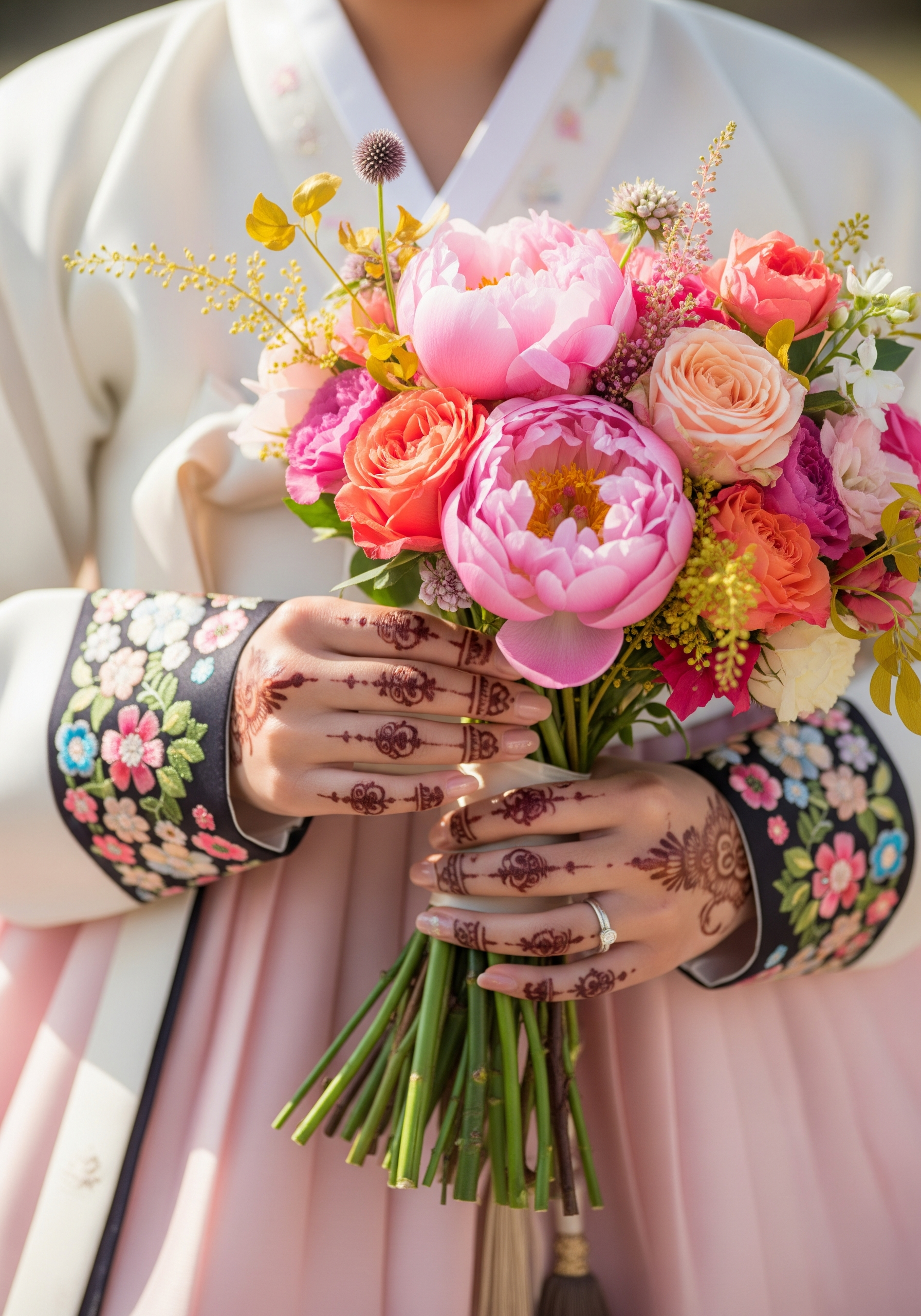
Henna, or mehndi, is a beautiful tradition in South Asian weddings that involves applying intricate designs to the hands and feet using henna paste.
The Henna Ceremony
Traditional henna ceremonies are:
- Pre-wedding celebrations: Usually held 1-2 days before the wedding
- Family gatherings: Intimate events with close family and friends
- Symbolic: Designs often include the groom's name or initials
- Celebratory: Music, food, and joy mark the occasion
- Photogenic: Creates beautiful, detailed designs for wedding photos
Expert Tip: "Henna designs can take 2-4 hours to apply and need time to set. Plan your henna ceremony timing carefully, and consider having a professional henna artist who understands wedding timelines." — South Asian Wedding Specialist
Modern Henna Applications
Contemporary approaches to henna include:
- Simplified designs: Less intricate patterns for modern aesthetics
- Color variations: Traditional brown to modern black henna
- Placement options: Hands, feet, arms, or selective placement
- Coordination: Matching henna designs with wedding dress details
- Photography: Ensuring designs photograph well
Stylist Note: "Henna designs should complement your wedding dress. If your dress has intricate details, consider simpler henna designs. If your dress is minimalist, more elaborate henna can add visual interest."
Coordinating Henna with Your Wedding Dress
When designing custom wedding dresses that incorporate cultural elements, consider how henna will complement your look:
- Dress neckline: Ensure henna designs are visible
- Sleeve length: Coordinate with henna placement
- Color palette: Henna's warm brown tones work with most dress colors
- Photography: Plan shots that showcase both dress and henna
Hanbok Elements in Modern Weddings
The hanbok is Korea's traditional dress, and modern brides are incorporating hanbok elements into contemporary wedding celebrations.
Traditional Hanbok
Traditional hanbok features:
- Vibrant colors: Often bright and symbolic
- Flowing lines: Elegant, graceful silhouettes
- Intricate details: Embroidery and decorative elements
- Cultural significance: Colors and patterns have meaning
- Formal occasions: Worn for important celebrations
Expert Tip: "Hanbok colors have specific meanings. Red and blue are traditional wedding colors, with red representing the bride and blue representing the groom. Understanding these meanings helps create authentic celebrations." — Korean Wedding Specialist
Modern Hanbok Interpretations
Contemporary approaches include:
- Hanbok-inspired wedding dresses: Traditional elements in modern silhouettes
- Color updates: Traditional colors in contemporary palettes
- Fusion styles: Hanbok elements with Western dress designs
- Accessories: Traditional jewelry and hairpieces with modern dresses
- Ceremony changes: Wearing hanbok for ceremony, modern dress for reception
Stylist Note: "Many modern Korean brides wear hanbok for the ceremony and a contemporary wedding dress for the reception. This honors tradition while allowing personal style expression."
Incorporating Hanbok into Custom Dress Design
When designing custom wedding dresses that incorporate cultural elements, consider:
- Color inspiration: Traditional hanbok colors in modern palettes
- Silhouette elements: Flowing lines inspired by hanbok
- Embroidery details: Traditional patterns in contemporary placement
- Accessories: Traditional hairpieces or jewelry
- Fabric choices: Textiles that echo hanbok materials
Gele Headwraps in West African Weddings
The gele is a traditional headwrap worn in West African weddings, particularly in Nigerian and Ghanaian celebrations. Modern brides are styling gele in contemporary ways.
Traditional Gele
Traditional gele features:
- Elaborate wrapping: Intricate folding and tying techniques
- Bold fabrics: Often vibrant, patterned materials
- Cultural significance: Represents elegance and cultural identity
- Coordination: Matches or complements the wedding outfit
- Skill required: Professional styling for best results
Expert Tip: "Gele styling is an art form. Work with an experienced gele stylist who understands traditional techniques and can create modern interpretations. Allow 1-2 hours for proper gele styling." — African Wedding Specialist
Modern Gele Styling
Contemporary approaches include:
- Simplified wraps: Less elaborate for modern aesthetics
- Fabric choices: Contemporary patterns and colors
- Size variations: From dramatic to subtle
- Coordination: Matching with modern wedding dresses
- Photography: Ensuring gele photographs beautifully
Stylist Note: "Modern gele can be styled to complement contemporary wedding dresses. Consider the dress neckline, silhouette, and overall style when planning gele design."
Coordinating Gele with Wedding Dresses
When planning your wedding look:
- Dress neckline: Gele should complement, not compete
- Color coordination: Gele and dress should work together
- Photography: Plan shots that showcase both elements
- Comfort: Ensure gele is secure and comfortable
- Timeline: Allow adequate time for gele styling
Working with Cultural Elements in Custom Dress Design
When designing custom wedding dresses that incorporate cultural elements, cultural elements can be incorporated in various ways:
Color Inspiration
Traditional cultural colors can inspire modern dress palettes:
- South Asian: Rich reds, golds, and jewel tones
- Korean: Traditional red and blue in modern interpretations
- West African: Vibrant colors and patterns
- Other cultures: Research traditional wedding colors
Expert Tip: "Cultural colors don't have to dominate your dress. Consider using them as accents—a sash, embroidery, lining, or accessories. This honors tradition while maintaining your personal style." — Custom Dress Designer
Pattern and Texture
Traditional patterns can inspire dress details:
- Embroidery: Traditional motifs in contemporary placement
- Textiles: Cultural fabrics as accents or linings
- Details: Traditional elements in modern interpretations
- Accessories: Cultural jewelry or hairpieces
Silhouette Inspiration
Traditional dress silhouettes can inspire modern designs:
- Flowing lines: Inspired by traditional garments
- Layering: Cultural layering techniques in contemporary ways
- Structure: Traditional construction methods adapted
- Movement: Cultural dress movement in modern fabrics
Planning Multicultural Celebrations
Many couples honor multiple heritages in their weddings:
Multiple Ceremonies
- Separate ceremonies: Each heritage honored individually
- Fusion ceremonies: Elements blended together
- Multiple outfits: Different cultural attire for different ceremonies
- Respectful blending: Traditions combined thoughtfully
Expert Tip: "When honoring multiple heritages, ensure both are represented authentically. Work with family members and cultural experts to create celebrations that respect all traditions involved." — Multicultural Wedding Planner
Coordinating Multiple Elements
- Color coordination: Ensure all elements work together
- Timeline planning: Allow time for cultural ceremonies
- Photography: Capture all meaningful moments
- Guest communication: Help guests understand traditions
- Personal expression: Create your unique interpretation
Expert Tips for Cultural Wedding Details
Research and Respect
- Learn about traditions and their meanings
- Work with cultural experts and family members
- Understand historical and contemporary contexts
- Respect cultural significance
- Create authentic interpretations
Stylist Note: "Cultural details should come from understanding and respect. Take time to research, ask questions, and work with people who understand the traditions you're incorporating."
Photography Considerations
- Plan shots that showcase cultural details
- Work with photographers familiar with cultural weddings
- Capture meaningful moments and ceremonies
- Document details that might be overlooked
- Create a shot list for important elements
Guest Experience
- Help guests understand traditions
- Provide context for cultural elements
- Create comfortable, inclusive experiences
- Share meanings behind traditions
- Make celebrations accessible to all guests
Frequently Asked Questions
How do I incorporate cultural details without cultural appropriation?
Work with family members, cultural experts, and people from the culture you're honoring. Learn about traditions, their meanings, and proper implementation. Create authentic, respectful interpretations that honor rather than appropriate.
Can I blend multiple cultural traditions in one wedding?
Yes, many couples successfully blend multiple heritages. The key is respectful, authentic representation of all traditions involved. Work with experts and family members to ensure all cultures are honored appropriately.
How do I coordinate cultural details with my wedding dress?
Share your cultural vision with your dress designer. When designing custom wedding dresses that incorporate cultural elements, consider how cultural elements—colors, patterns, accessories—will work with your dress design for a cohesive look.
Should I wear traditional dress or incorporate elements into a modern dress?
This is a personal choice. Some brides wear traditional dress for ceremonies and modern dress for receptions. Others incorporate traditional elements into contemporary designs. Choose what feels authentic to you.
How do I find experts for cultural wedding details?
Research cultural wedding specialists, work with family members who understand traditions, consult cultural centers or organizations, and work with vendors experienced in multicultural celebrations.
What's the timeline for cultural wedding ceremonies?
Cultural ceremonies often require additional time. Henna ceremonies typically happen 1-2 days before the wedding. Plan your timeline to accommodate all ceremonies and details without rushing.
Incorporating cultural wedding details creates meaningful, authentic celebrations that honor your heritage while reflecting your personal style. By working with cultural experts, understanding traditions, and designing custom wedding dresses that incorporate cultural elements thoughtfully, you can create a wedding that's both deeply personal and beautifully authentic.
Whether you're incorporating henna designs, hanbok elements, gele headwraps, or other cultural details, the key is respectful, authentic representation that honors your heritage while allowing you to express your contemporary identity.